
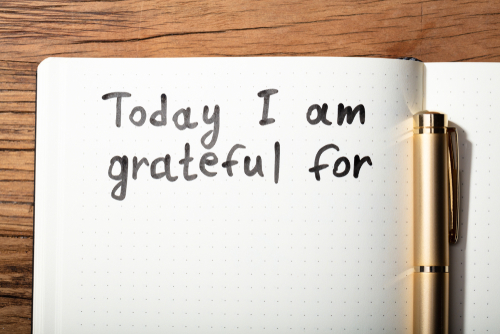
 We’re living in unprecedented, challenging times. If you’re feeling stressed and scared, you’re not alone. However, there is a way to navigate through all of this uncertainty: gratitude. Studies have shown that keeping in mind the things you’re grateful for on a regular basis not only helps you mentally, but also physically, which is something we all need these days.
Gratitude Improves Your Immune System
According to Lisa Aspinwall, PhD, a psychology professor at the University of Utah, there’s data to back this up. In one study, researchers compared the immune systems of healthy, first-year law students who were under stress and characterized themselves as optimistic to their more pessimistic classmates. Result: The former maintained a higher number of blood cells, which protect the immune system. Specifically, white blood cells are key players in your immune system and move through blood and tissue looking for foreign invaders (microbes) such as bacteria, viruses, parasites and fungi. When they find them, they launch an immediate attack. Tip: The moment you notice that you’re appreciative of something – the sun is shining, the sky is blue, you have clean water to drink – stop and savor. Bask in the experience.
Gratitude Affects Your Brain
When you’re feeling appreciative, it wires and fires new neural connections to the bliss center and enhances dopamine and serotonin, the neurotransmitters responsible for happiness. Gratitude also reduces fear and anxiety by regulating the stress hormones; and it fosters cognitive restructuring by evoking positive thinking. Tip: When you’re eating, give thanks for the bounty before you. Make mealtimes mindful.
Gratitude Reduces Pain
In the research report, Count Blessings Versus Burdens (2003), patients who kept a gratitude journal reported reduced pain symptoms and were more inclined to work out and cooperate with treatment procedure. A deeper dive revealed that by regulating the level of dopamine, gratitude fills us with more vitality, which reduced the subjective feelings of pain. Tip: Try keeping a journal. If you think you have nothing to be grateful for, think about all the little things you have. You might find that you’re taking for granted certain abilities or privileges you have that others don’t.
Gratitude Affects Sleep
Studies have shown that receiving and displaying simple acts of kindness activates the hypothalamus, and thereby regulates all bodily mechanisms controlled by the hypothalamus, one of which is sleep. The hypothalamic regulation by gratitude helps us get deeper and healthier sleep, naturally. Tip: Hold the door for a stranger. Let someone have that parking space you both came upon. Share that compliment that’s on the tip of your tongue. To give is to receive. You might just rest easier.
Gratitude Gets Rid of Toxic Emotions
The limbic system is the part of the brain that’s responsible for all emotional experiences. It consists of the thalamus, hypothalamus, amygdala, hippocampus and cingulate gyrus. Research has shown that the hippocampus and amygdala, the two main sites regulating emotions, memory, and bodily functioning, get activated with feelings of gratitude. Specifically, what we call emotions or feelings are neural activations in the neocortical regions of the brain (Moll et al. 2005). Further, a study conducted on people who were looking for mental health guidance revealed that those who wrote letters of gratitude, in addition to having regular counseling, felt better and recovered sooner. In the other group, people who journaled about their negative feelings felt anxious and depressed. Tip: In addition to journaling, maybe there’s a letter you need to write to someone expressing how you feel, releasing a past hurt. The simple act of writing can be powerful. You don’t even have to send it to feel better.
Right now, when we’re faced with so many unknowns, staying present and giving thanks can do a world of good. Give it a try and see.
Sources
https://www.adventhealth.com/blog/why-gratitude-important-during-coronavirus-pandemic
https://www.webmd.com/women/features/gratitute-health-boost#1
https://www.betterhealth.vic.gov.au/health/conditionsandtreatments/immune-system?viewAsPdf=true
https://positivepsychology.com/neuroscience-of-gratitude/
https://www.urmc.rochester.edu/encyclopedia/content.aspx?ContentID=4552&ContentTypeID=1#:~:text=It’s%20simply%20writing%20down%20your,and%20improve%20your%20mental%20health.
https://www.psychologytoday.com/us/blog/minding-the-body/201111/how-gratitude-helps-you-sleep-night
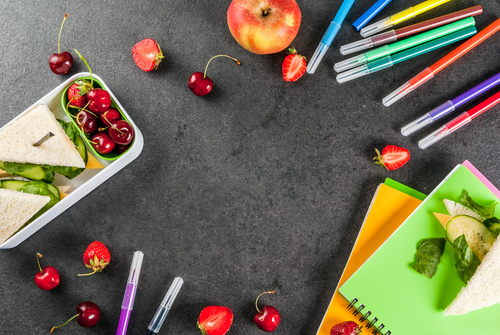 Due to the uncertainty of COVID-19, many schools across America have transitioned to at-home learning. This alone presents a whole new set of challenges for parents, not the least of which is figuring out what to feed your kids for lunch – every single day of the week. While peanut butter and jelly is a reliable standby, here are some cheap, easy alternatives you can whip up in no time.
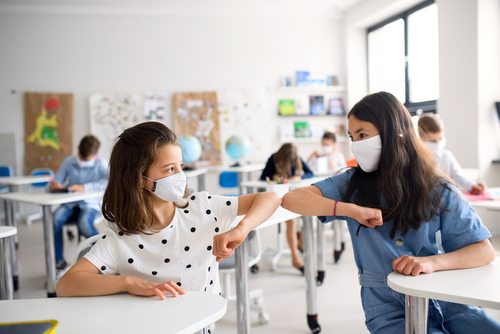 If you’re anxious about sending your children back to school, you’re not alone. In fact, a recent poll from
  The impact of COVID-19 has caused many Americans to suffer hardships, one of which is struggling to make ends meet. But take heart; there are solutions. Here are a few areas in which creditors are working with people to alleviate some of the stress.
 Due to the unprecedented effects of COVID-19, the line between our professional and personal lives has blurred. Trying to take care of job responsibilities from home requires new ways of navigating. Here are a few ideas to help you become more productive while working at home – and stay grounded in these uncertain times.
 During the government shutdown as a result of COVID-19, sadly, millions have lost their jobs. However, there is a silver lining: there are some industries that, because of the shutdown, are actually hiring. Here are a few leads to help those who might have been affected.
 The effect of the coronavirus on our lives is unprecedented. While we’re all sheltering in place while trying to manage our daily tasks, it’s undoubtedly taking a toll on us mentally, physically and financially. Here are some tips to help you weather this storm of economic uncertainty.
 These days, you can’t be too careful when it comes to investments. And if you’re older, you’re a prime target for fraudsters. That said, anyone of any age is vulnerable. Here are a few key things to keep in mind when you’re considering investing.
  For the most part, smartphones are your lifeline to the world. You connect with friends and family, shop and update your status on social media. However, you also store all your personal information on them and, these days, use them to do your banking. That’s why you need to take precautions. Here are a few critical things to do to make sure your information isn’t compromised.
 Believe it or not, it’s 2020. You’re not just starting a new year, you’re entering a new decade. With this in mind, you might want to make some resolutions that focus on your finances. According to Psychology Today,